




All Posts in Gold & Bullion

The value of gold and diamond jewelry is shaped by measurable qualities and changing market dynamics. Gold is evaluated using standardized metrics such as weight and purity, while diamonds rely on individual grading and consumer perception.
Knowing how these assets hold, gain, or lose value helps collectors and investors make informed choices. Both materials appeal to different motivations – gold for its liquidity and reliability, diamonds for their brilliance and exclusivity. However, they behave quite differently in financial and resale markets.
Gold Jewelry: A Standardized and Liquid Asset
Gold jewelry retains its worth because it is linked to a global pricing system. Its value depends on three primary elements: weight, purity, and the international market rate. These factors make gold more transparent and predictable in valuation compared to many other luxury goods.
Purity, measured in karats, indicates how much of a piece consists of real gold. For example, 24K is pure gold, while 18K contains 75 percent gold combined with alloys for added durability. The higher the karat, the greater the intrinsic metal value. Weight also plays a direct role, as every gram adds measurable worth based on the current gold price.
Gold’s liquidity makes it a dependable asset. It can be traded or sold with relative ease because its value follows global benchmarks. While resale may not recover design or labor costs, the core metal holds recognized worth. This stability reinforces the value of gold and diamond jewelry as an enduring form of wealth preservation, particularly when financial markets become uncertain.
Diamond Jewelry: Value Shaped by Subjectivity
Diamonds differ greatly from gold in how they are assessed. Their worth depends on the “4Cs” – cut, color, clarity, and carat weight. Each stone’s uniqueness introduces subjectivity into pricing. This means that two diamonds of similar size can vary widely in value due to brightness, inclusions, or tone.
Design and craftsmanship influence worth as well. A diamond set in an intricate or luxury design may command a higher price at retail, yet resale tends to be less straightforward. The absence of a universal pricing structure makes the secondary diamond market unpredictable, with resale often between 20 and 50 percent of the original purchase price.
Diamonds function best as luxury items, where their value in gold and diamond comparison leans more toward beauty and emotion than consistent financial return.
Gold vs. Diamonds: Comparing Investment and Resale Value
Gold exists within a standardized and transparent market, its pricing driven by global supply and demand trends. This creates consistent resale potential and a conservative investment profile.
Diamonds belong to a more fragmented marketplace where valuation depends heavily on perception and taste. For this reason, resale becomes less liquid and dependent on finding the right buyer.
From an investment perspective, gold jewelry offers measurable security. Diamonds offer individuality and beauty but carry more volatility. Understanding these dynamics helps balance sentiment and strategy when purchasing fine jewelry.
Turn Knowledge into Smart Value Decisions with Coin Exchange NY
Here at Coin Exchange NY, we specialize in evaluating both gold and diamond jewelry with transparency and care. Our team helps clients understand real market value, not inflated retail estimates.
By combining expertise in precious metals and gemstones, we help you make confident decisions about buying, selling, or appraising your collection.

Gold and silver coins may appear similar, but their purpose and value differ greatly. Understanding bullion coin vs. collectible coin distinctions helps investors and collectors make smarter decisions.
Bullion coins are primarily valued for their precious metal content, while collectible coins, or numismatic coins, gain worth from rarity, age, and historical importance. Each serves a unique function in the coin market, shaped by financial goals and personal interest.
Bullion Coins: Value in Metal
Bullion coins derive their worth from the metal they contain. Their value follows the current market price of gold, silver, or platinum. They are well-suited for investors seeking tangible assets with predictable pricing and strong liquidity.
Government mints produce bullion coins in large quantities, which keeps premiums low. Since buyers focus on the metal rather than the design, the coin’s condition has little effect on its price. Their appeal lies in straightforward ownership of precious metals in a universally recognized form.
Popular examples include silver eagles, the Canadian Maple Leaf, and the South African Krugerrand. These coins trade efficiently because their weight, purity, and market value are widely recognized.
Collectible Coins: Value in History and Rarity
Collectible coins, also known as numismatic coins, carry value through rarity, design, and heritage rather than just metal content.
Limited mintages, historical significance, and artistic detail contribute to their higher appeal among enthusiasts. Condition plays a key role in determining their market desirability. Collectors often use grading services such as PCGS or NGC to confirm authenticity and grade.
While bullion coins are easily traded due to standardized pricing, collectible coins involve specialized markets that depend on collector demand. Examples include pre-1933 U.S. gold coins, commemorative editions, and mint errors that tell fascinating stories. These coins combine artistry with historical context, linking craftsmanship to cultural memory.
Comparing Purpose and Liquidity
The bullion coin vs. collectible coin comparison reflects two different investment mindsets. Bullion coins cater to investors who prioritize liquidity and price transparency.
Their value moves directly with the metal market, allowing fast and efficient trading. Collectible coins attract those who appreciate history, rarity, and craftsmanship. Their resale depends more on collector interest and expertise.
Both offer tangible benefits, but their appeal depends on intent. An investor seeking to preserve wealth may favor modern U.S. gold bullion. A collector drawn to artistry and historical narratives may pursue older, rarer coins.
Key Distinctions at a Glance
Bullion coins are high-volume, mass-produced pieces with predictable value based on metal weight. Collectible coins are limited in number and influenced by rarity, design, and preservation. Bullion markets are liquid and transparent, while collectible markets are more specialized. Condition holds little importance for bullion, yet it significantly impacts collectible coins.
This distinction highlights how two coins of similar appearance can occupy completely different positions in the market.
Find Expert Guidance at Coin Exchange NY
At Coin Exchange NY, we understand both bullion and numismatic markets. Our experts help collectors and investors identify opportunities suited to their interests and budgets. From evaluating rare pieces to sourcing authentic bullion, we make every transaction transparent and rewarding.

For anyone following precious metals, price charts can feel like secret codes. Numbers shift daily, dotted lines track trends, and abbreviations fill the page. Gold and silver are dynamic markets shaped by global forces, and grasping basic terms like spot price, premiums, and basis gives collectors and investors a more confident grip on what they are truly seeing.
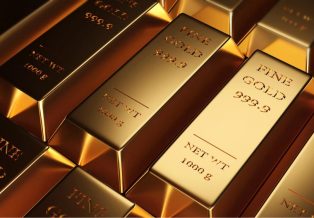
Gold bullion is more than a shiny asset; it’s a strategic investment. Whether buying or selling, you want to go beyond the basics. Timing, trust, and tactical thinking play a huge role. Here are some smart ways to approach the gold market to build wealth or cash in on rising prices.

When it comes to investing in precious metals, understanding bullion pricing is important. Gold and silver bullion, often viewed as a safe haven during economic uncertainty, can fluctuate in value depending on a variety of factors.
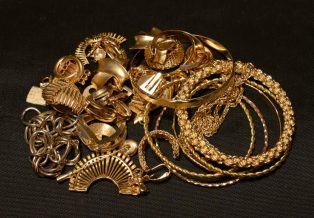
Buying and selling scrap gold can be a profitable venture if done correctly. Many people find it difficult to navigate the complexities of the gold market. However, with the right knowledge, it can become a valuable investment opportunity. This guide aims to simplify the “buy and sell scrap gold” process with clear steps and important tips. Anyone can confidently engage in this market by understanding the market and knowing how to assess gold.