




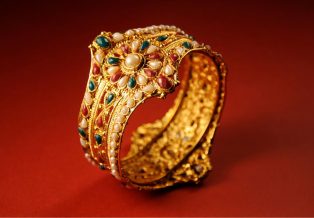
When considering jewelry as an investment, many people focus on modern pieces or precious metals. However, antique jewelry offers unique advantages that make it a valuable addition to any investment portfolio.

You might have heard the stories of people finding rare coins in their pocket change, coins that can be worth hundreds or even thousands of dollars.

When considering investment options, gold coins vs. silver coins is a common dilemma for many investors. Both metals are seen as reliable stores of value and often perform well during periods of economic uncertainty.
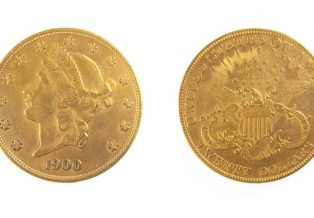
Pre-1933 gold coins hold a distinct place in American history. These coins were minted before the United States government ceased using gold in circulating currency due to the Gold Reserve Act of 1934. With their production officially ending in 1933, these coins serve as physical remnants of a bygone era, an era when gold backed the nation’s currency and held intrinsic monetary value.
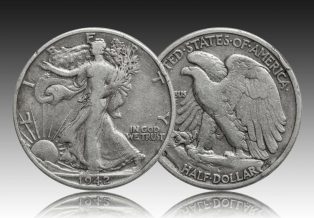
Full-date rolls serve as a practical gateway for silver coin collectors to discover rare and valuable pieces. Each date stamped on a coin marks a specific moment in history, connecting collectors to the past. These rolls contain coins from a single year, offering a focused way to locate key and semi-key dates.
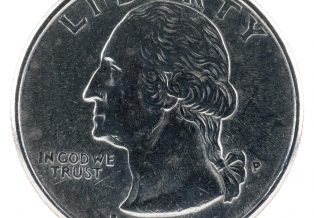
Mint marks identify the location where a coin was produced. These small letters or symbols tell a story about a coin’s origin and authenticity. They also play a role in determining coin rarity and value, making them important details for collectors to look for. Understanding mint marks helps collectors and investors assess a coin’s rarity and value.