




All Posts in Coins & Currency

The 1899 $1 Silver Black Eagle was issued for twenty years. This means that, although each bill has the year 1899 printed on it, this doesn’t mean that is the year in which it was issued. To determine the actual date of issuance, it is important to examine its block letters and signature combination.
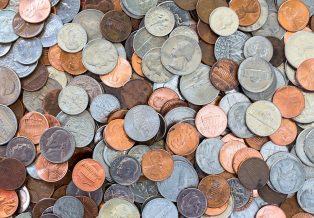
Color toning can raise or lower coin value. When the effect occurs naturally, it can be incredibly beautiful, but may also be downright unattractive. As such, putting value on these coins can be challenging.
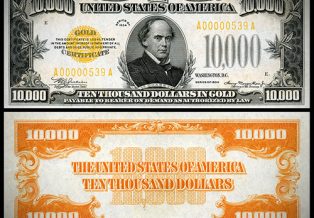
The Series of 1882 $100 Large Gold Certificate is one of the most diverse historical notes when it comes to the range in values. Depending on the variety and condition of the bill, it may be appraised at three, four, five and even six figures, meaning certain types are greatly coveted by collectors.
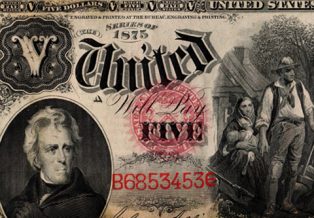
The 1875 Series $5 Woodchopper note is distinctive for its red seal along with the Allison & Wyman signature. Some of these notes are available in Choice Uncirculated condition, and are prized by collectors since they are undervalued compared to many other notes produced around the same time period.

Chop marks, which are also known as Eagle or Star Stamps, sometimes appear on $100 bills. This can be a bit perplexing to currency collectors, and below is an explanation of what these marks mean and why they sometimes appear on certain bills.

For collectors, knowing when to sell currency is crucial. Sometimes you will come across an outstanding bank note that you’ll be reluctant to sell due to its rarity. Collectors often tell themselves that they will pass the bill down to their children or grandchildren, that they’ll hold it for a while, that they don’t really need that extra money or they will wait to see if the market improves.